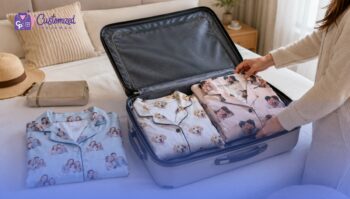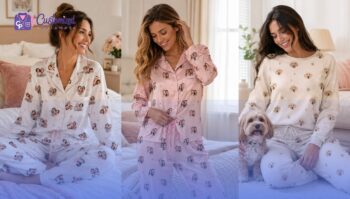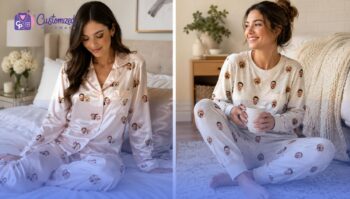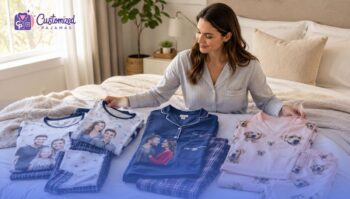
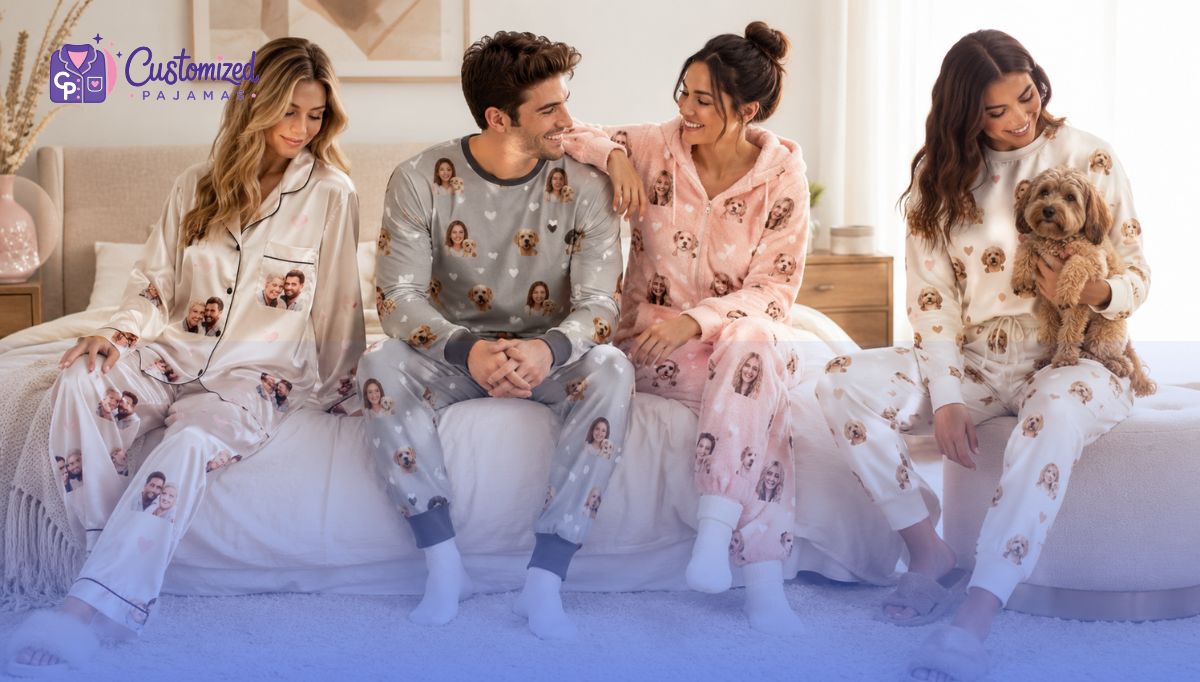
Finding the ideal pajama style is essential for achieving a comfortable night of sleep and relaxing effectively at home. Many individuals struggle to choose between various sleepwear options because they do not understand how different fabrics, cuts, and designs impact temperature regulation and overall comfort. This comprehensive guide from the Customized Pajamas team will detail classic and modern sleepwear options to help you find the perfect outfit for your personal routine. Whether you prefer luxurious custom fabrics or playful custom styles like family, couples, and pet face options, this review will simplify your decision-making process. Read on to explore the ultimate collection of sleepwear options and discover your next favorite set.
1. What Exactly Counts as a Pajama?
To build your ideal sleepwear collection, it helps to establish clear definitions for common garments. The terminology often gets blurry with modern fashion mixing casual daywear with nightwear.
1.1 What is Pajamas?
Pajamas are loose-fitting garments worn for sleeping and lounging, traditionally consisting of a matching top and pants combination. The modern concept of sleepwear encompasses a broad selection of designs, materials, and styles tailored for specific seasonal temperatures and comfort preferences. Originally introduced to the Western world as lightweight drawstring trousers, these garments have evolved into a global standard for nighttime comfort.
High-quality sleepwear serves a dual purpose by regulating body temperature and protecting the skin during rest. Modern manufacturing utilizes diverse fabrics to achieve these goals:
- Natural cotton provides breathability and softness for everyday wear.
- Silk and satin offer a smooth texture that reduces skin friction.
- Fleece and flannel supply maximum insulation during cold seasons.
1.2 What is a Pajama Dress?
A pajama dress is a single-piece sleepwear garment that flows freely down the body, typically combining the casual comfort of a t-shirt with the length of a standard dress. Often referred to as a nightshirt or nightgown, this garment eliminates the restrictive waistbands associated with traditional two-piece sets. This design ensures maximum airflow, making it an excellent selection for warm climates and hot sleepers.
These garments accommodate various style preferences through diverse design features:
- Button-down front closures offer a classic, vintage aesthetic.
- Slip-style silk designs provide an elegant and lightweight feel.
- Oversized cotton knits deliver maximum stretchability for casual lounging.
The open hemline allows for unrestricted leg movement during sleep, which significantly appeals to individuals who toss and turn throughout the night.
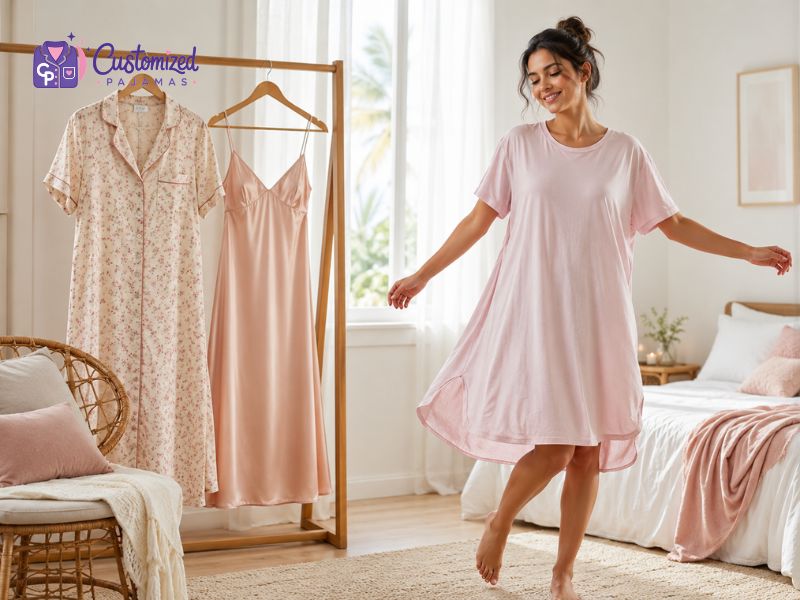
A pajama dress is a single-piece sleepwear garment that flows freely down the body
1.3 What are Pajama Pants?
Pajama pants are lightweight, loose trousers designed specifically for sleep and residential relaxation, usually featuring an elastic waistband or a drawstring closure. Unlike outdoor trousers, these garments prioritize unrestricted movement and skin comfort by omitting stiff hardware like metal zippers, heavy buttons, and thick seams. They serve as the foundational bottom piece for most traditional sleepwear sets.
To maximize physical comfort, manufacturers categorize these trousers into three distinct styles:
- Wide-leg cotton pants offer a relaxed fit with optimal air circulation.
- Tapered knit joggers provide a modern look while keeping the cuffs securely in place.
- Thick flannel trousers supply heavy insulation for winter environments.
Pairing these trousers with a matching top creates a unified look, while mixing them with casual t-shirts offers versatile lounging options.
1.4 What are Pajama Jeans?
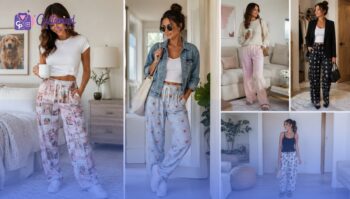
Pajama jeans are innovative hybrid pants that display the visual appearance of traditional denim but possess the soft texture and stretch of sleepwear, utilizing specialized knit fabric blends. They feature printed faux pockets, faux zippers, and contrast stitching to mimic authentic jeans perfectly. This product category caters to individuals who seek the aesthetic appeal of casual daywear without sacrificing physical comfort.
These hybrid garments are highly functional due to three key construction attributes:
- Ultra-flexible fabric blends provide optimal stretch for daily tasks.
- Smooth elastic waistbands eliminate the pressure points caused by traditional metal buttons.
- Soft interior linings protect the skin from irritation during extended wear.
While they are highly comfortable for daytime lounging, errands, and remote working, most style experts do not recommend them for actual overnight sleep.

Pajama jeans are innovative hybrid pants that display the visual appearance of traditional denim
2. The Cross-Over Debate: Casual Wear vs. Real Pajamas
With the rise of relaxed dress codes, many casual daytime staples find their way into the bedroom. Let’s look at where the lines are drawn.
2.1 Are Sweatpants Pajamas?
No, sweatpants are not traditionally classified as pajamas, because they are manufactured with heavy, dense fabrics designed for athletic warming and outdoor wear rather than sleeping. Sweatpants prioritize durability and wind resistance, which often results in thick seams and restricted breathability. Sleepwear, by contrast, utilizes lightweight textiles to prevent overheating under heavy bed blankets.
You can analyze the differences between these two garment types through their primary attributes:
- Material weight: Sweatpants use thick fleece, heavy French terry, and dense cotton blends, while sleepwear relies on lightweight poplin, fine knit silk, and breathable modal.
- Primary function: Sweatpants retain body heat during outdoor activities, whereas sleepwear dissipates excess moisture and heat during rest.
- Design hardware: Sweatpants often include deep pockets, heavy metal aglets, and thick structural waistbands that can disrupt sleep comfort.
While wearing sweatpants to bed is common in freezing conditions, doing so regularly can cause night sweats and disrupt natural sleep cycles.
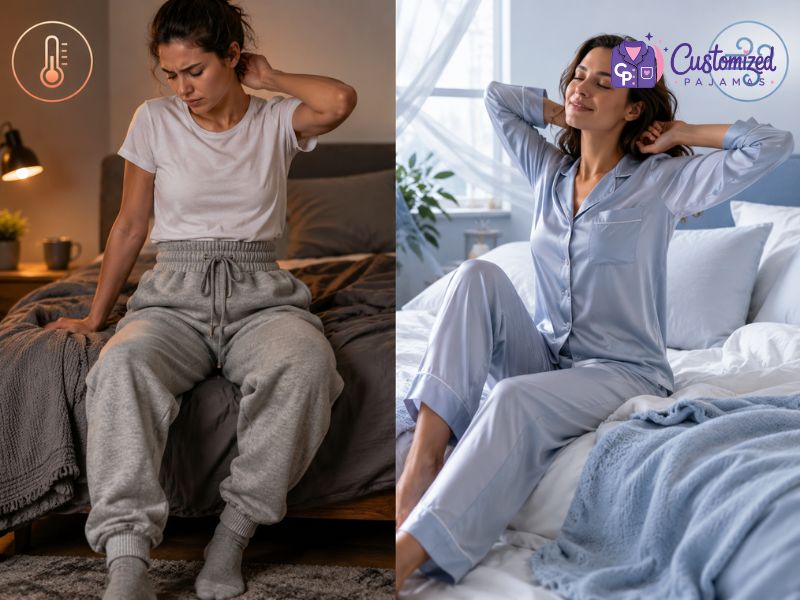
Sweatpants are not traditionally classified as pajamas, because they are manufactured with heavy
2.2 Are Joggers Pajamas?
No, standard joggers are classified as activewear rather than pajamas, though many modern manufacturers now produce specialized sleep-joggers using lightweight sleepwear fabrics. Traditional athletic joggers consist of moisture-wicking synthetic blends or heavy cotton knits engineered to withstand physical workouts. They feature a distinct tapered leg that ends in a fitted elastic cuff, which keeps the fabric secure against the ankle.
If you wish to use this style for sleeping, you must select the appropriate fabric variety:
- Look for modal blends that offer a silky texture and exceptional stretch.
- Avoid performance polyester fabrics that trap sweat and body odors.
- Choose loose-fitting ankle cuffs to ensure proper blood circulation during rest.
Modern style trends continue to blur the lines between activewear and sleepwear, making lightweight knit joggers a highly popular crossover choice for evening relaxation.
2.3 Are Onesies Pajamas?
Yes, onesies are fully recognized as pajamas, representing a distinct category of one-piece sleepwear that covers the entire torso, arms, and legs. Originally modeled after infant sleepsuits, adult variations have gained massive popularity for their excellent heat retention and playful designs. They typically secure with a long front zipper or a series of snap buttons for easy dressing.
Onesies cater to two primary functional needs depending on their design:
- Fleece and plush variations provide a functional solution for cold winter nights by trapping body heat efficiently.
- Custom printed styles allow individuals to personalize their sleepwear with unique graphics, custom faces, or seasonal themes.
- Lightweight cotton versions offer a cozy option for mild climates without causing overheating.
The continuous design prevents cold drafts from touching the midsection, making it the ultimate selection for maximum winter warmth.
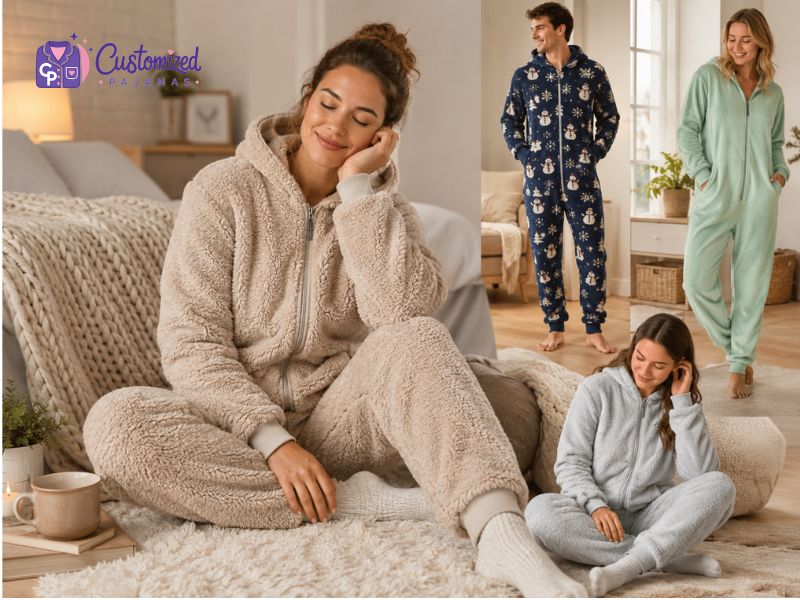
Onesies are distinct category of one-piece sleepwear that covers the entire torso, arms, and legs
3. Exploring Key Pajama Styles
Choosing a specific pajama style depends entirely on your personal climate, sensory preferences, and how you like to wind down.
3.1 Custom Satin Pajamas
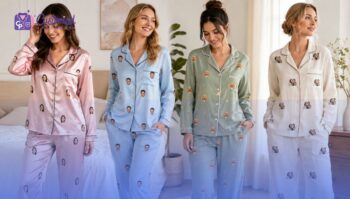
Satin sleepwear represents the pinnacle of nighttime elegance. Satin is a specific weaving technique that produces a sleek, glossy surface finish with a beautiful drape.
- The Benefits: The smooth surface minimizes friction against your skin and hair, which helps prevent skin creasing and hair frizz overnight. Satin also feels incredibly cool to the touch, making it an exceptional option for warmer seasons.
- Care Tip: If you own a premium personalized set, always wash it on a delicate cycle in a mesh laundry bag to protect the glossy fibers from snagging.
3.2 Cuffed Pajama Sets
Cuffed pajamas feature elasticized or rib-knit bands at the wrists and ankles. This construction serves a highly functional purpose: it locks out drafts and prevents your sleeves and pant legs from riding up your limbs as you toss and turn in bed. They are generally crafted from cozy cotton or thermal knits, making them the ultimate choice for crisp autumn and winter nights.
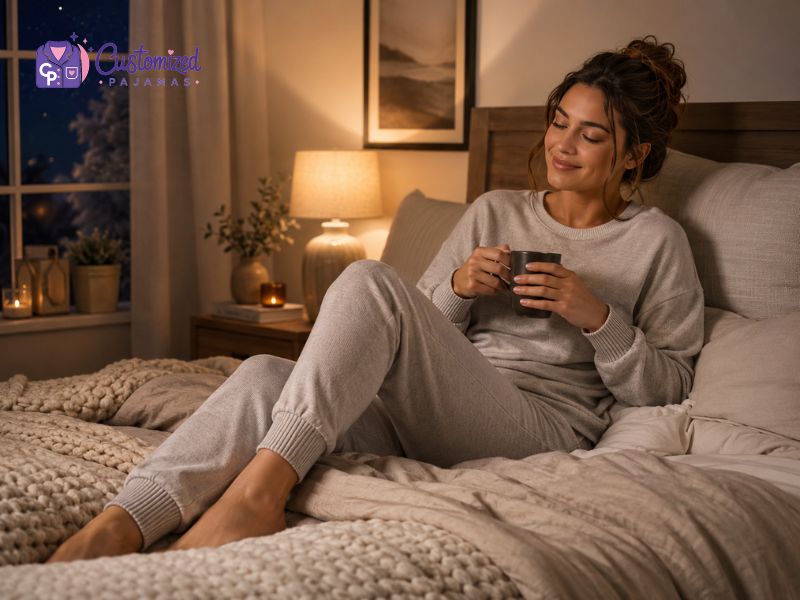
Cuffed pajamas feature elasticized or rib-knit bands at the wrists and ankles
4. Loungewear vs. Pajamas: What is the Difference?
Understanding the structural boundaries between loungewear and traditional sleepwear allows you to build a highly functional wardrobe for home comfort. While both categories prioritize physical relaxation, they are engineered with different social environments and physical activities in mind.
The primary distinctions between these garment classes are organized in the comparison below:
| Feature | Pajamas | Loungewear |
| Primary Purpose | Thermoregulation and comfort during sleep. | Relaxation, casual hosting, and light remote work. |
| Fabric Density | Lightweight, highly breathable, single-layer. | Mid-to-heavy weight, structured, opaque. |
| Hardware | Minimal, soft buttons, flat ties, zero metal. | May include functional pockets, zippers, or hoods. |
| Social Acceptability | Restricted strictly to the home/bedroom. | Suitable for answering the door, stepping outside, or casual errands. |
Pajamas focus entirely on optimizing your body’s natural sleep cycle. When you sleep, your core temperature drops naturally. True sleepwear uses lightweight, single-layer fabrics that allow heat to escape so you don’t wake up drenched in sweat.
Loungewear, on the other hand, is designed for waking hours. It features thicker materials that provide modest coverage and insulation while you sit stationary on the couch or work from home. Loungewear also includes structured details like functional pockets, heavy waistbands, or hoodies that would feel bulky and uncomfortable if pressed against your body under bedsheets.
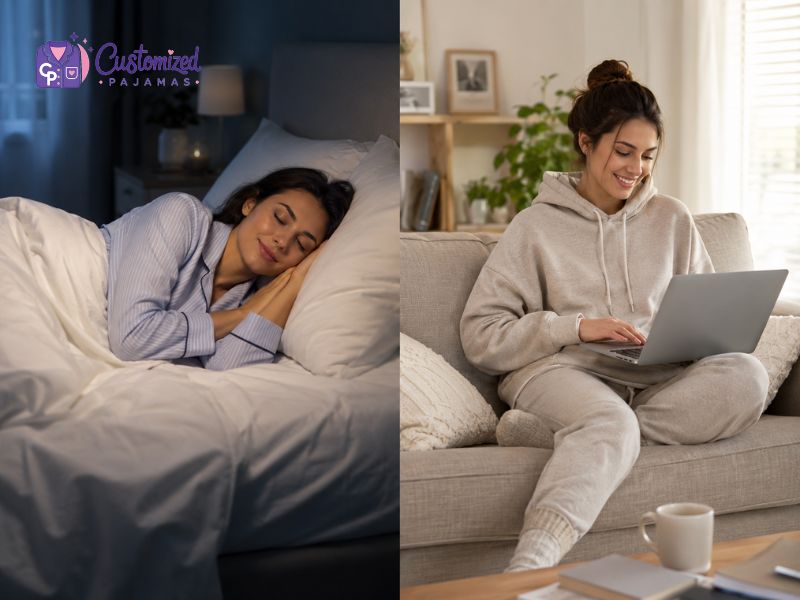
Differentiating Loungewear and Pajamas
5. Frequently Asked Questions (FAQs)
5.1 Where can I browse and design my own custom satin sleepwear?
You can explore our complete collection of luxurious, ultra-smooth Satin Pajamas directly on our shop page. These sets are perfect for adding personalized photos, keeping you cool during warmer seasons, and protecting your skin and hair from friction overnight.
5.2 Do you offer personalized options for cold-weather pajamas that won’t ride up?
Yes! If you prefer a snugger fit that locks out winter drafts, check out our cozy collection of Cuffed Pajamas. These sets feature ribbed bands at the wrists and ankles, keeping the fabric comfortably in place no matter how much you toss and turn.
Selecting the right pajama style requires balancing fabric breathability, garment cut, and your personal lifestyle needs. From the cooling luxury of custom satin sets to the secure warmth of cuffed designs and playful onesies, each garment offers distinct benefits for your rest routine. For those looking to add a truly unique touch to their collection, Customized Pajamas creates high-quality personalized sleepwear using your exact photos, making it simple to design family, couples, and pet face pajamas. Take time to evaluate your sleep environment, review the definitions outlined above, and select the ultimate sleepwear pieces that deliver the perfect combination of comfort and personal style.